Casting Away Shadows
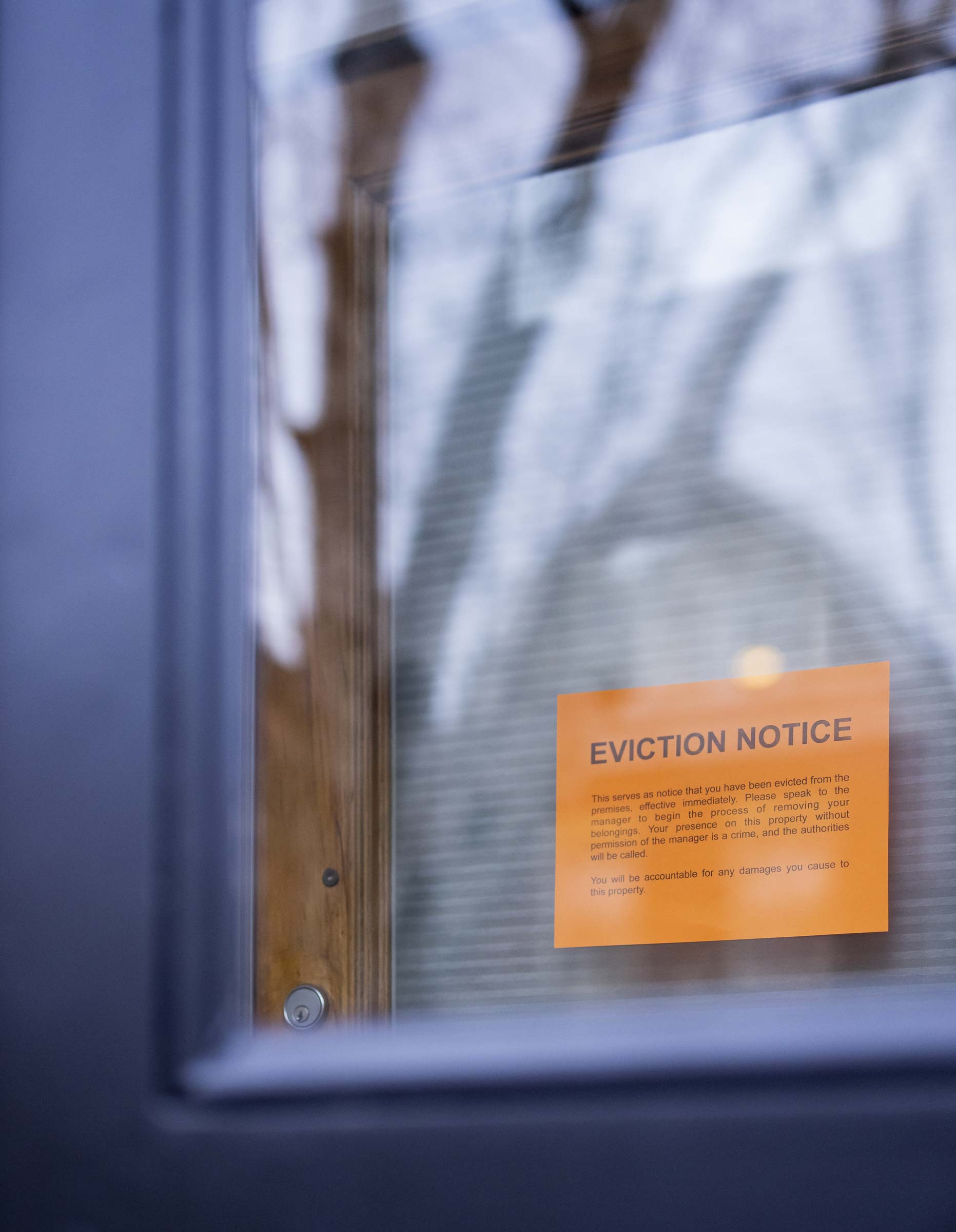
Foundation tries to light pathway to better housingAn eviction filing follows a tenant like a dark shadow, as ominous as a criminal record.
That’s because, in Pennsylvania courts, when a landlord files a petition for eviction against a tenant, it stays on the tenant’s record as an eviction — regardless of the outcome in court — for perpetuity. Even when the court finds in the tenant’s favor, or the landlord and tenant negotiate a mutually acceptable settlement, including a tenant paying arrears and voluntarily moving out, the eviction petition persists as part of public record, permanently threatening the tenant.
Eviction filings are damning to tenants. Landlords routinely deny leases to applicants who have an eviction petition in their history, no matter the resolution. The resulting housing insecurity for tenants can create a cascade of negative economic and health impacts, including job loss, disruptions in children’s education, and worsening physical and mental health outcomes. To paraphrase Matthew Desmond, Pulitzer Prize–winning author of “Evicted: Poverty and Profit in the American City,” eviction records can be the start of the cycle of poverty, not just for adults but also for their children.
115018
“Tenants who have an eviction record often end up in census tracts with decrepit housing where landlords don’t check backgrounds. These landlords also don’t repair broken windows or leaking plumbing, and if a tenant withholds rent or complains to a code enforcement agency, the landlord could retaliate by filing an eviction petition, starting a vicious cycle,” says Maura Jacob, Policy and Community Impact Officer at The Pittsburgh Foundation
That is why The Pittsburgh Foundation is supporting proposed state legislation that would help resolve this problem. The Foundation, along with partners in the advocacy subgroup of the Eviction Prevention Cohort of Allegheny County, are lobbying and advocating for House Bill 1769. The legislation would seal eviction filings and records, which would prevent landlords from accessing prior filings in cases decided in the favor of the tenant or those in which the case is withdrawn, dismissed or otherwise settled. Cases decided in favor of the landlord would be accessible for seven years, after which the eviction record would be sealed. This change would place limitations on eviction records similar to those placed on other records, such as bankruptcy filings. In short, the legislation would correct a gross injustice.
of Pennsylvania
households
behind on rent
have children.
The Foundation has a history of funding efforts to improve landlord–tenant relationships, including Just Mediation Pittsburgh, which helps resolve landlord–tenant disputes, and the Housing Court Help Desk.
And in 2021, it founded the Eviction Prevention Cohort. Among its 30 members are legal experts, landlords, representatives of magisterial district courts, government officials and agencies, tenant advocates and representatives of nonprofit organizations. Not all of these groups are able to participate in advocacy work, so the Foundation convened an advocacy subgroup to focus on supporting legislation like H.B. 1769. Prior to the advocacy subgroup, an organized body of like-minded partners who could advocate for this kind of legislation did not exist.
“This legislation is an opportunity to eliminate the utter unfairness of the current eviction record system, provide housing security to struggling families, stabilize neighborhoods in which revolving-door tenancy causes chaos and reduce homelessness and hopelessness across the state,” Jacob testified during the House Democratic Policy Committee joint public hearing on the legislation in February. “This would put Pennsylvania at the forefront of states in providing a second chance to people, to our neighbors, to our family members, who are striving mightily to recover from a past setback.”
The legislation would banish the shadow cast over too many tenants.
Watch Maura Jacob’s Testimony“This legislation is an opportunity to eliminate the utter unfairness of the current eviction record system.”